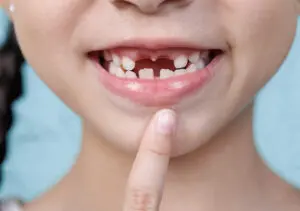
If your child keeps getting cavities despite brushing regularly, there may be several reasons. Frequent snacking, hard-to-clean areas, and differences in tooth enamel can all increase the risk of decay. Identifying what is contributing to the problem can help prevent new cavities from forming.
Table of Contents
Why Some Children Are More Prone to Cavities
Cavities form when bacteria in the mouth feed on sugars and produce acids that weaken tooth enamel. Some children have a higher risk because of their eating habits, tooth development, or other factors.
Common reasons include:
- Frequent snacking: Eating sugary or starchy snacks throughout the day repeatedly exposes teeth to acids, giving enamel less time to recover.
- Sugary drinks: Sipping juice, sports drinks, or sweetened beverages throughout the day keeps sugar in contact with the teeth.
- Missed areas when brushing: Children may brush regularly but miss the back teeth, gumline, or spaces between teeth.
- Deep grooves in molars: Some back teeth have narrow grooves that trap food and plaque, making them harder to clean.
- Weakened enamel: Teeth with enamel development problems may be more likely to develop cavities.
- Dry mouth: Saliva helps wash away food particles and neutralize acids. Certain medications or medical conditions can reduce saliva and increase cavity risk.
Often, more than one factor contributes to repeated cavities.
How to Help Prevent Repeated Cavities
If your child has had several cavities, small changes to their daily routine may help reduce the risk of new ones.
- Keep snacks at regular times. Avoid constant grazing so teeth have time to recover between meals.
- Choose water between meals. Save juice and other sugary drinks for occasional use rather than frequent sipping.
- Help with brushing and flossing. Children may need help brushing until around age 7 or 8, sometimes longer.
- Brush before bedtime. After brushing, offer only water so sugars do not remain on the teeth overnight.
- Keep up with dental visits. Regular exams help identify early decay and areas that need extra attention.
These habits work together to protect teeth, but children who develop cavities frequently may also benefit from additional preventive care.
Preventive Care for Children Prone to Cavities
At South OC Pediatric Dentistry & Orthodontics, we consider your child’s brushing habits, diet, enamel condition, and previous dental history to understand why decay keeps developing.
Depending on your child’s needs, we may recommend:
- Fluoride treatments: Help strengthen enamel and make teeth more resistant to acid damage.
- Dental sealants: Protect the deep grooves of back teeth where cavities commonly develop.
- Prescription fluoride toothpaste: For older children with a high risk of cavities, we may recommend a prescription-strength fluoride toothpaste to provide additional protection against tooth decay.
We focus on practical changes and preventive treatments that fit your child’s individual cavity risk rather than recommending the same approach for every child.
FAQs
Are some children genetically more prone to cavities?
Yes. Genetics can influence tooth shape, enamel development, and saliva composition, all of which can affect cavity risk. However, good oral hygiene, fluoride, and healthy eating habits can help reduce that risk.
Can cavities develop underneath dental fillings?
Yes. New cavities can develop around the edges of existing fillings, especially if bacteria collect in small gaps between the filling and the tooth.
Can my child get cavities even if they don’t eat much candy?
Yes. Foods such as crackers, chips, and dried fruit contain sugars or starches that can contribute to cavities. Frequent snacking can increase the risk, even if your child rarely eats candy.
Personalized Cavity Prevention in Mission Viejo, CA
If your child continues to develop cavities, our board-certified pediatric dentists, Dr. Sam Wu and Dr. John De Lorme, can help identify the contributing factors and recommend preventive care tailored to your child’s needs.